Understanding Diploma Verification: A Comprehensive Guide
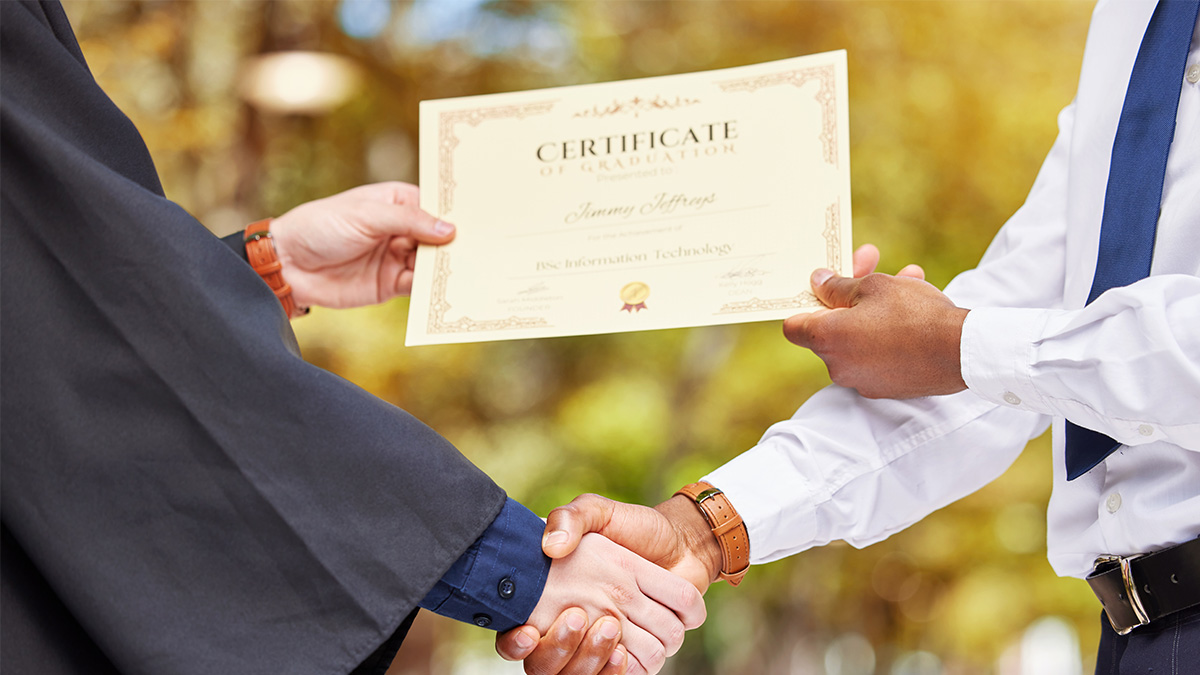
Understanding the complexities of diploma verification is crucial for employers, educational institutions, and individuals alike. In an era where academic qualifications are paramount, ensuring the authenticity of educational documents has become more important than ever. This comprehensive guide will delve into the nuances of diploma verification, offering practical insights, expert advice, and thorough explanations that cater to various audiences, including job seekers, employers, students, and parents.
The Importance of Diploma Verification
In today's competitive job market, employers increasingly rely on educational qualifications to assess a candidate's suitability for a position. According to a survey conducted by the Society for Human Resource Management, nearly 50% of employers require a degree for entry-level positions, even when the job does not necessarily require one. This emphasizes the need for reliable diploma verification processes, as fraudulent claims can lead to poor hiring decisions and potential legal issues.
For educational institutions, verifying diplomas is essential to maintaining their reputations. With the rise of online degree mills, schools must ensure that their graduates' qualifications are both legitimate and consistent with their academic standards. Meanwhile, individuals seeking to further their education or apply for jobs abroad must often provide verified diplomas as part of their application processes.
Understanding Diploma Fraud
Diploma fraud is a pervasive issue that undermines the credibility of genuine educational achievements. It involves the creation or alteration of documents to misrepresent one's educational background. The proliferation of the internet has made it easier for individuals to access fake diplomas, transcripts, and certificates. A study by the Federal Trade Commission found that over 300,000 fake degrees are sold annually in the United States alone.
The consequences of diploma fraud can be severe. For employers, hiring someone with a fraudulent diploma could mean entrusting critical tasks to unqualified individuals, which can lead to operational inefficiencies, financial losses, and reputational damage. For individuals, being caught with a fake diploma can result in job termination, legal penalties, and a tarnished reputation.
Common Methods of Diploma Verification
There are several methods that organizations and institutions can use to verify the authenticity of diplomas. Each method has its own advantages and challenges, and understanding these will help in selecting the most appropriate approach for different situations.
Direct Verification with Issuing Institutions
The most straightforward method of diploma verification is direct contact with the issuing institution. This involves reaching out to the educational institution's registrar or the department responsible for student records to confirm the validity of the diploma. While this method is highly reliable, it can be time-consuming and may require navigating various bureaucratic processes. Moreover, institutions have varying policies on disclosing student information, often requiring the student’s consent to release such data.
Third-Party Verification Services
Given the complexities involved in direct verification, many organizations opt for third-party verification services. These companies specialize in authenticating educational credentials quickly and efficiently. They maintain extensive databases of educational records and have established relationships with institutions worldwide. While convenient, these services come at a cost, and their accuracy depends on the comprehensiveness of their databases.
Digital Credential Verification
With technological advancements, digital credential verification has emerged as a viable alternative. Many educational institutions now issue digital diplomas that embed verification features such as QR codes or blockchain-based validations. These digital credentials can be verified instantaneously online, reducing the risk of tampering and enhancing security. According to a report by Parchment, an education credentials technology company, over 7 million digital credentials were issued in 2021, signaling a shift towards more secure verification methods.
Legal and Ethical Considerations
When conducting diploma verification, organizations must be mindful of the legal and ethical frameworks governing the process. Various laws, such as the Family Educational Rights and Privacy Act (FERPA) in the United States, regulate the disclosure of educational records. These laws mandate obtaining consent from the diploma holder before releasing any information to third parties.
Additionally, organizations must approach diploma verification ethically, treating applicants with respect and maintaining confidentiality throughout the process. Ensuring transparency and fairness not only protects the rights of individuals but also upholds the integrity of the verification process.
Potential Legal Challenges
Missteps in diploma verification can lead to legal repercussions. For instance, disclosing educational records without proper consent could result in violations of privacy laws, leading to fines and legal actions. Employers must also avoid discriminatory practices during verification, ensuring that all candidates are subjected to the same verification standards regardless of their background.
Understanding these legal nuances is crucial for organizations to protect themselves from potential litigation and maintain compliance with relevant laws.
Implementing a Robust Diploma Verification Process
Developing a robust diploma verification process requires a strategic approach that balances thoroughness with efficiency. Implementing best practices can help organizations streamline their processes and reduce the risk of errors.
Establishing Clear Policies
The first step in creating an effective verification process is establishing clear policies and procedures. Organizations should define the scope of verification, outline the methods to be used, and delineate the roles and responsibilities of those involved in the process. Clear policies ensure consistency and provide a framework for handling verification requests efficiently.
Training and Resources
Training staff involved in diploma verification is essential to ensure competency and compliance with legal requirements. Providing access to resources and tools that facilitate verification, such as databases and online tools, can enhance the accuracy and speed of the process.
Continuous Improvement
The landscape of diploma verification is continually evolving, with new technologies and challenges emerging. Organizations should regularly review and update their verification processes to incorporate best practices and technological advancements. Feedback from stakeholders, such as hiring managers and candidates, can provide valuable insights for improvement.
Real-World Scenarios and Case Studies
Understanding diploma verification in real-world contexts can illuminate its significance and complexities. Here, we explore several case studies that highlight the impact of effective (or ineffective) verification processes.
Case Study 1: The Tech Company Debacle
A prominent tech company faced significant setbacks after it was revealed that several of its key employees had submitted fraudulent diplomas. The company had relied on self-reported credentials without conducting thorough verification. This oversight led to financial losses and a decline in investor confidence, highlighting the importance of rigorous verification processes.
Case Study 2: Educational Institutions and Digital Credentials
An innovative university implemented digital credentials as part of its diploma issuance process. This move not only streamlined verification for employers but also enhanced the institution's reputation for modernizing its credentialing system. The adoption of digital diplomas also reduced costs associated with paper-based verifications and addressed environmental concerns related to printing.
Conclusion
Diploma verification plays a vital role in safeguarding the integrity of academic qualifications and ensuring that educational credentials are accurately represented. By understanding the methods, legal considerations, and best practices outlined in this guide, organizations, institutions, and individuals can navigate the complexities of diploma verification with confidence and precision.
While this guide provides a comprehensive overview, it's important to remember that diploma verification is an ongoing process that requires vigilance and adaptability to emerging trends and technologies. As a provider of novelty diplomas and certificates, DiplomaCraft offers products designed for display and personal use, emphasizing the importance of authenticity in all educational pursuits.